
No Small Feat for A Heavy Fleet
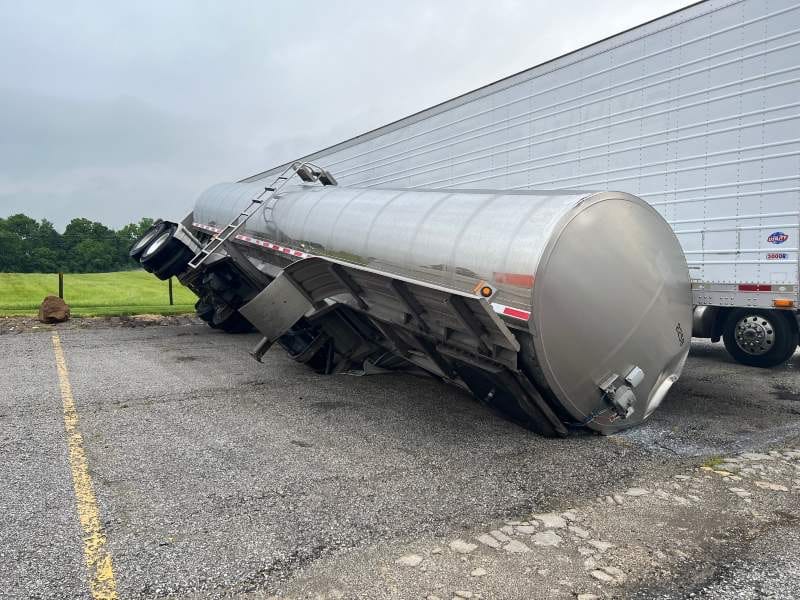
A dozer slid off a muddy access road just outside Tipton after a week of steady rain. The operator was fine, but the machine had settled into soft ground with one track buried and hydraulic fluid beginning to seep out. Calls like that unsurprisingly turn into a Tipton heavy equipment transport job because the machines involved cannot be driven safely. Situations like that remind us that what happens after an accident is just as important as the accident itself.
Moving damaged equipment takes planning, patience, and the right trailer. We’ve hauled excavators, skid steers, loaders, and telehandlers after rollovers, operator mistakes, and job site accidents. The jobs that go the smoothest usually begin with a careful assessment instead of rushing to load the machine.
Look at the Damage Before You Move Anything
The first thing we do is determine whether the equipment can be moved safely. A machine that looks fine from twenty feet away might have a bent axle, damaged steering, or a cracked frame underneath. Trying to drive it onto a trailer can turn repairable damage into a much bigger repair bill. We would rather spend ten extra minutes inspecting the machine than create another problem during loading.
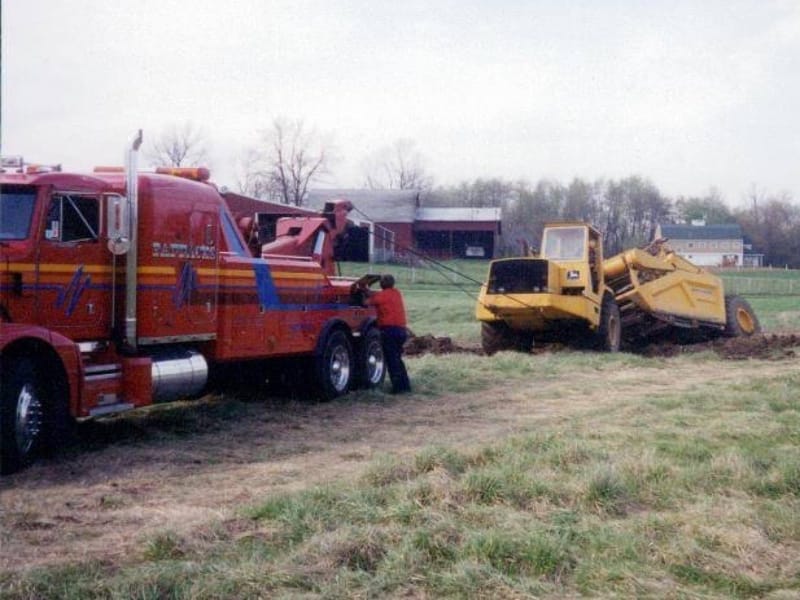
Ground conditions matter just as much. Soft dirt, washed-out access roads, or uneven grades can change the entire recovery plan. We’ve worked construction sites where a loader sank deeper every time someone tried to pull it. Those situations often require winching, cribbing, or another machine before Tipton heavy equipment transport can even begin.
Choosing the Right Trailer and Loading Method
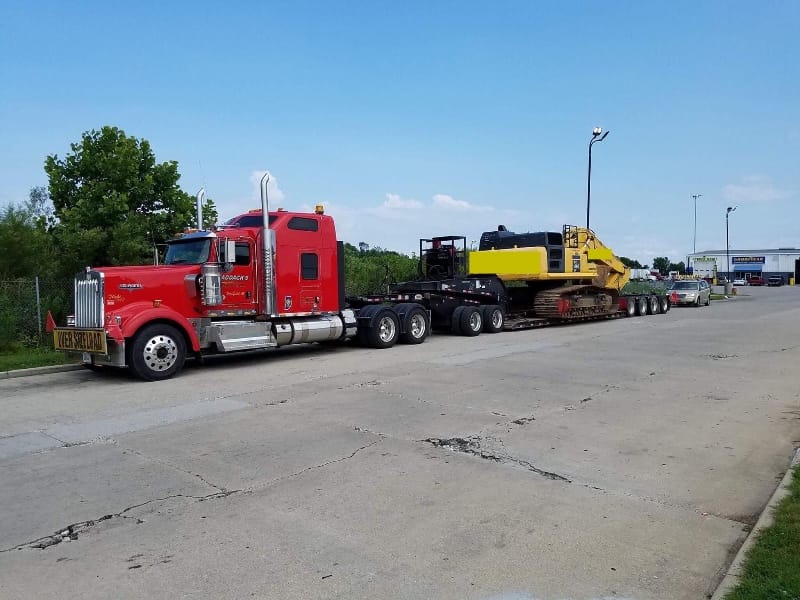
Not every damaged machine belongs on the same trailer. Weight, width, ground clearance, and the type of damage all affect how we load it. A tracked excavator with a broken final drive needs a different approach than a wheel loader with steering damage.
Before loading, we usually check:
- Tire or track condition
- Fluid leaks
- Attachment position
- Overall machine stability
- Secure tie-down locations
Planning those details ahead of time keeps the loading process smoother. Every Tipton heavy equipment transport job is different, and small adjustments often save a lot of time once the machine starts moving.
Documentation Helps Everyone Later
Photos are one of the most useful parts of the entire process. We always recommend documenting the machine before it’s loaded. Wide shots, close-ups of damage, and pictures of the surrounding job site help contractors, insurance adjusters, and repair facilities understand exactly what happened. We’ve learned that contractors rarely regret taking too many photos. They usually regret not taking enough.
It also helps to decide where the machine is going before the trailer arrives. We’ve hauled damaged equipment to dealer service centers, contractor yards, rental companies, and repair shops. A locked gate or an unexpected destination change can leave a loaded trailer sitting for hours, delaying the entire Tipton heavy equipment transport process.
Paddack’s Wrecker Service Keeps Tipton Heavy Equipment Transport Moving
Since 1975, Paddack’s Wrecker Service has been helping contractors, trucking companies, and equipment owners move heavy machinery throughout central Indiana. With eight locations covering major freight corridors and highways, we have the trucks and trailers to handle everything from compact equipment to oversized construction machines. Our crews have seen jobs involving muddy fields, highway incidents, damaged job sites, and equipment that simply could not move under its own power.
Every Tipton heavy equipment transport call starts with the same goal: move the machine without adding more damage. We take time to inspect the equipment, choose the right trailer, and secure every load before leaving the site. We regularly transport equipment between construction projects, repair facilities, and contractor yards throughout central Indiana, including jobs near US 31 and surrounding highway corridors. No two recoveries look exactly alike, but careful planning has been part of how we work for decades, and it’s one of the reasons so many contractors continue to trust us for Tipton heavy equipment transport.
FAQs
Can damaged construction equipment be transported without repairing it first?
Yes, as long as it can be loaded and secured safely. The transport method depends on the type of damage and whether the machine can still roll or steer.
Who is responsible for arranging transportation after a job site accident?
It depends on the project. Sometimes the contractor handles it, while other times the equipment owner, rental company, or insurance carrier coordinates the move.
What if hydraulic fluid or fuel is leaking from the equipment?
Tell the transport company before they arrive. Leaks may need to be contained before loading to prevent environmental issues and additional damage during transport.
Does weather affect moving heavy machinery?
Absolutely. Rain, snow, frozen ground, or deep mud can change how equipment is recovered and loaded. The safest plan may be different from one day to the next.
Can attachments stay on the machine during transport?
Sometimes they can, but not always. Buckets, forks, booms, and other attachments may need to be lowered, secured, or removed depending on size and road regulations.
How is damaged equipment secured on a trailer?
Transport crews use chains, binders, and manufacturer-approved tie-down points whenever possible. The goal is to keep the machine stable from pickup to delivery without causing additional damage.