
Tight Quarters, Clean Exits
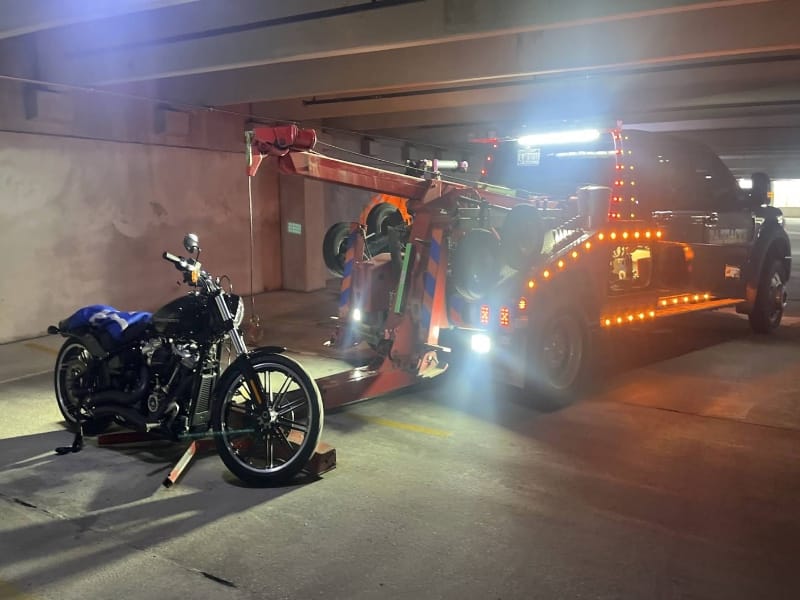
The calls that take us underground rarely start with drama. A car stalls in a parking deck, a transmission locks up in a private garage, or a low sedan scrapes concrete before it even reaches daylight. In those moments, we slow everything down and think through clearance, angles, and the path back out. In Greenwood towing work, these environments put our patience on trial.
Low ceilings change the rules for our tow truck operators. Exhaust fans hang low, ramps spiral tighter than expected, and sightlines disappear fast. We plan every move before a wheel rolls, because a few inches can be the difference between a clean pull and fresh damage to bumpers or driveline parts.
Clearance Is the First Conversation
Before we touch a vehicle, we look up. Ceiling height, sprinkler pipes, signage, and lighting all matter. We measure clearances and compare them to the vehicle’s ride height and overhang. That simple habit saves mirrors, exhaust tips, and oil pans.
Then we look down. Concrete lips at garage entrances can catch frames. Steep ramps load weight differently than a flat street. In Greenwood towing scenarios like these, we choose approaches that keep wheels rolling smoothly and avoid sudden shifts that strain mounts and axles.
Tight Alleys Demand Slow Thinking
Alleys look harmless until a truck needs to turn. Trash enclosures, fire escapes, and parked cars squeeze space down to inches. We guide every inch by hand signals and mirrors, keeping lines straight and movements deliberate. That focus reduces side contact and keeps suspension geometry happy.
Drivetrains Hate Bad Angles
Modern vehicles do not like being pulled at odd angles. CV joints, differentials, and transfer cases feel stress quickly. We keep pulls straight and gradual, adjusting position instead of forcing motion. The goal is to move the car without asking parts to flex where they should not.
How We Reduce Risk in Confined Recoveries
Experience teaches patterns, and patterns guide decisions. Over time, we have learned which steps lower risk in cramped recoveries and which ones invite trouble. These habits apply to towing jobs in decks, garages, and narrow lanes.
- We map the exit route before loading
- We confirm neutral and steering lock status early
- We use spotters to watch blind corners and overhead hazards
- We pause often to recheck clearances
Each step keeps the vehicle predictable and the environment under control. Nothing here is rushed, and nothing is left to chance.
Low Cars Need Extra Respect
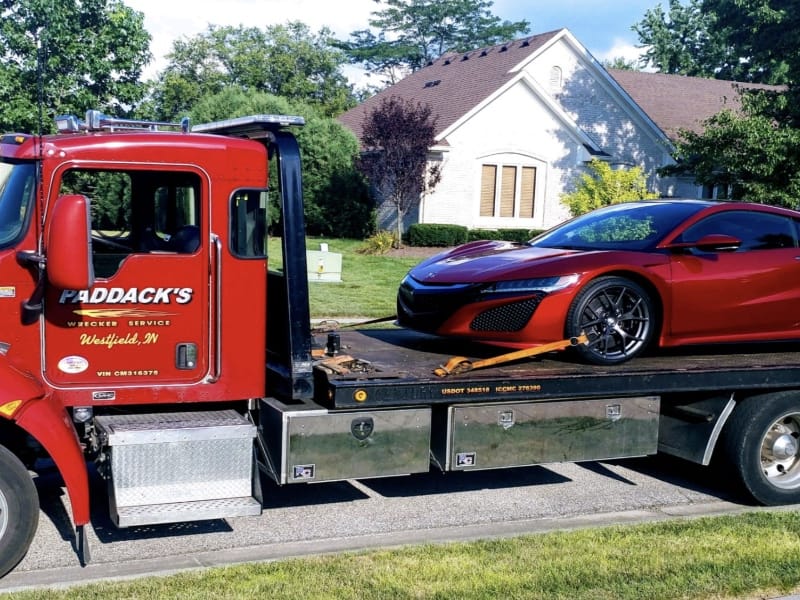
Lowered cars and factory low profiles add another layer. Splitters, side skirts, and long noses meet ramps at bad angles. We account for approach and departure before moving an inch. Small adjustments in height and position prevent scraping that can travel damage beyond cosmetic panels.
Garages Are Shared Spaces
People walk through garages, doors open unexpectedly, and other drivers get impatient. We stay visible and communicate clearly. That awareness protects pedestrians and keeps the recovery focused. In Greenwood towing work, awareness is part of the job, not an extra.
Paddack’s Wrecker and Greenwood Towing in Tight Spaces
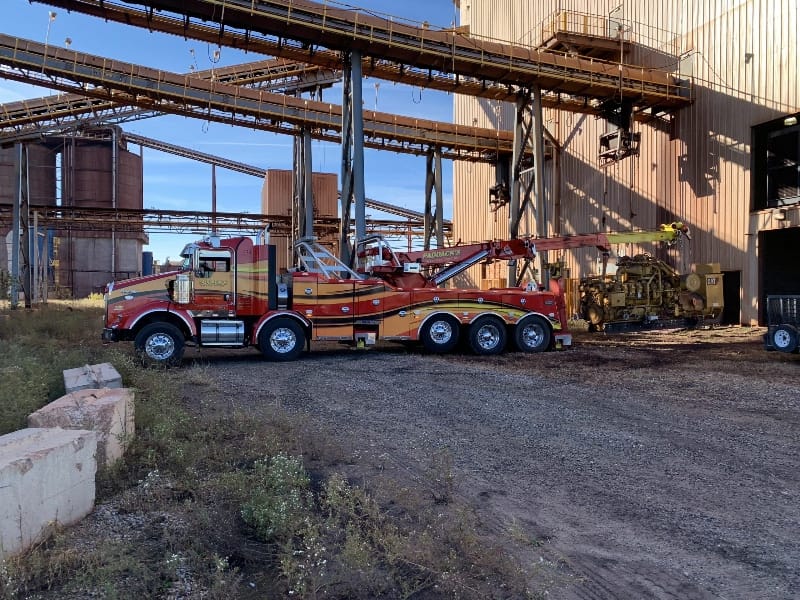
At Paddack’s Wrecker, we spend a lot of time where space runs out. Our Greenwood towing work takes us into underground decks, apartment garages, office ramps, and tight alleys where every move matters. We plan first and move second, because that order protects both the vehicle and the property around it.
We have seen how rushing leads to bent panels and stressed components, so we stay disciplined and skip shortcuts. In confined recoveries, that means choosing routes that keep cars level, pulls straight, and exits clean. Greenwood towing also means clear communication with owners and property managers, so everyone knows what to expect. Our Greenwood towing team measures success by one result: the vehicle comes out looking exactly like it did going in.
FAQ
How is towing different in parking garages compared to the street?
Parking garages limit height, turning space, and visibility. Vehicles must be moved slowly and kept level to avoid contact with ceilings, ramps, and surrounding structures.
Can towing in a garage damage my vehicle?
Damage can happen if angles, clearance, or wheel position are ignored. Careful planning and controlled movement reduce the risk to body panels, wheels, and drivetrain parts.
Why does clearance matter so much during underground recoveries?
Low ceilings, pipes, and lighting fixtures leave little margin for error. A few inches can decide whether a vehicle exits clean or scrapes on the way out.
What types of vehicles are hardest to remove from tight spaces?
Low profile cars, vehicles with long front overhangs, and all wheel drive models require extra care due to approach angles and drivetrain sensitivity.
Why does towing take longer in confined areas?
Each move is deliberate. Spotting, repositioning, and checking clearances add time, but they help prevent costly damage.
Should I move my vehicle myself if it is stuck in a garage?
If the vehicle is disabled or clearance is tight, moving it without guidance can increase damage. Waiting for professional help often limits further issues.